Wall-Mount Mini Vending Machines for Micro-Locations: New Revenue Streams for Operators
 By
 11 minutes
 Posted on: 12 Jun, 2026

For decades, vending operators have focused on high-traffic locations such as airports, transit hubs, shopping malls, colleges, and large workplaces. These locations can generate strong sales, but they can also bring more competition, higher placement costs, and limited availability.
A different opportunity is emerging in micro-locations—smaller spaces where people regularly spend time but where a full-size vending machine may not be practical.
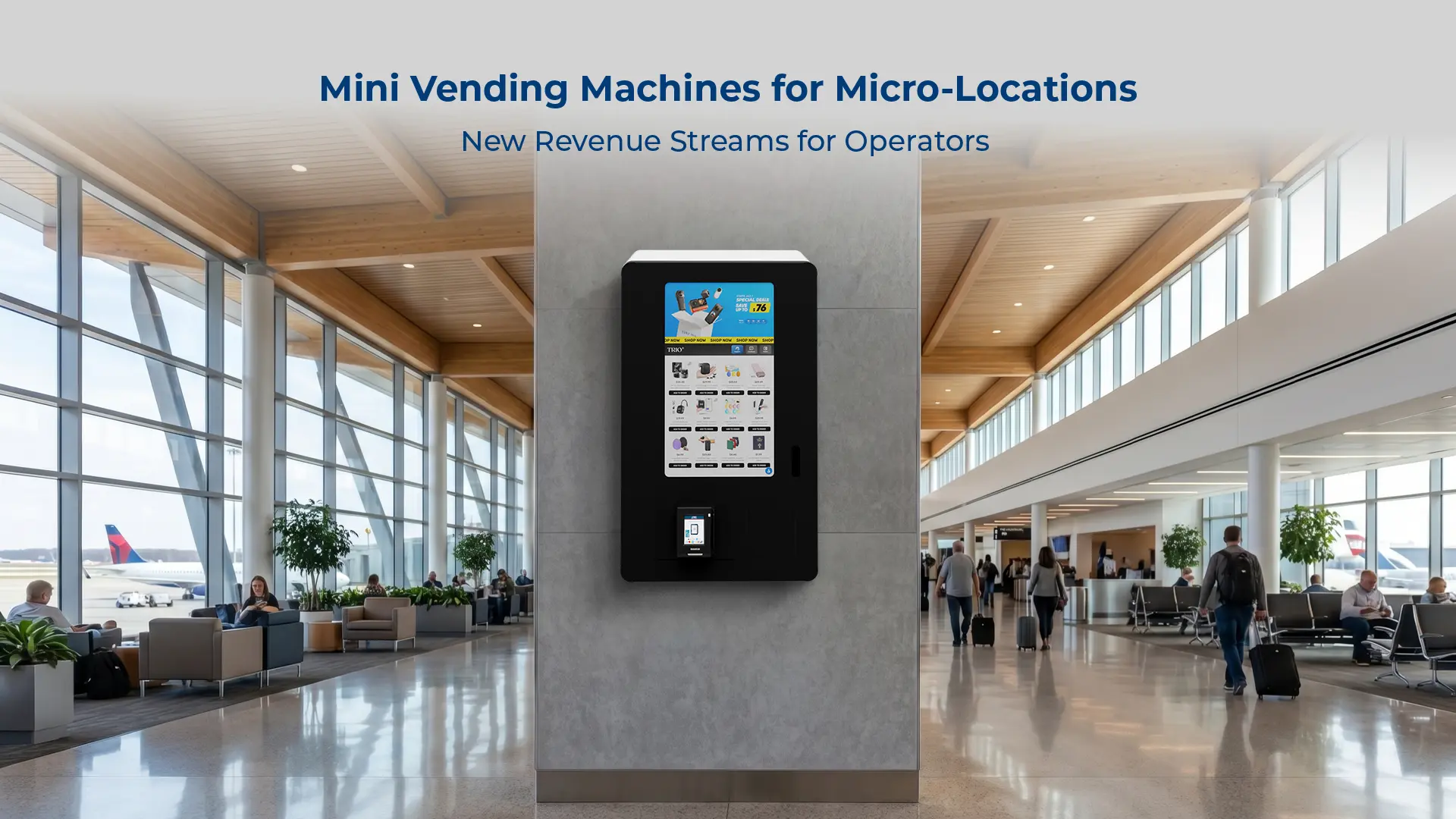
A wall-mounted mini smart vending machine gives operators a way to serve these locations without requiring much floor space. Placed in the right location and stocked with the right products, a compact vending machine becomes a reliable way for operators to expand their routes and create an additional revenue opportunity through digital advertising.
What Are Micro-Locations in Vending?
Micro-locations are smaller environments with a regular or predictable group of customers but not necessarily the high foot traffic required for a traditional vending location.
Examples include:
- Boutique hotel lobbies and guest floors
- Small offices
- Co-working spaces
- Apartment and residential building lobbies
- Clinics and diagnostic centers
- Educational and vocational training centers
While a micro-location may have fewer visitors than an airport or shopping mall, the people using it often spend considerable time there, making convenience services essential.
Why Are Wall-Mount Mini Vending Machines Suitable for Micro-Locations?
Compared to traditional machines, mini smart vending machines offer distinct advantages in smaller locations.
1. They Require Less Space
Space is one of the biggest challenges in micro-locations. Traditional glass-front vending machines need dedicated floor space that places like small offices, hotel corridors, clinics, and apartment lobbies may not have enough room for.
A wall-mounted mini vending machine uses available wall space instead. This makes wall-mounted vending useful wherever keeping floor space free is important, such as in office common areas, residential lobbies, waiting rooms, and shared facilities.
The TRIO Compact, for example, is designed for compact installations and can be wall-mounted or used with a stand depending on the location’s requirements. This gives operators more flexibility when pursuing smaller vending locations.
The location should still give customers enough room to comfortably view the screen, select products, make payments, and collect their purchases. Before installation, operators should also confirm proper mounting, electrical access, connectivity, accessibility, and local installation requirements.
2. Remote Management Can Reduce Unnecessary Visits and Improve Route Planning
Modern smart vending machines can provide operators with information without requiring a physical visit to every machine. Through connected vending management systems and mobile applications, operators can monitor information such as:
- Product availability
- Inventory levels
- Sales activity
- Machine status
- Restocking requirements
TRIO Compact supports connected vending operations and multiple internet connectivity options.
Rather than visiting every location on a fixed schedule, operators can use this data to plan service and replenishment visits around the machines that actually need attention. The same information shows which products are running low, which are selling faster than expected, which are not moving, and how customer demand is changing. That helps operators make better restocking and product-selection decisions.
Regular maintenance is still important, but remote monitoring helps operators decide when a machine really needs a visit.
3. Compact Vending Can Support Different Product Categories
Limited machine capacity does not necessarily mean limited business opportunities. Operators can stock a small vending machine according to the needs of each location.
Products may include:
- Snacks and energy shots (non-refrigerated)
- Personal care products
- Phone chargers and cables
- Small electronics
- Travel essentials
- Health and hygiene products
- Workplace supplies
- Other convenience items
Thoughtful product selection and location matching is especially important for mini vending as operators consider demand, margin, capacity, and restocking frequency needs.
4. Cashless Payments Make Purchasing More Convenient
With many customers now preferring to pay with cards or digital payment methods rather than coins or cash, cashless payment support is highly necessary for modern vending locations.
TRIO Compact supports cashless payment options such as credit and debit cards, stored-value cards, digital wallets, and NFC options, based on the configured payment environment and how the machine is set up to process transactions. Depending on the sales configuration, the machine can also support single-vend or multi-vend purchasing.
5. A Touchscreen Makes Product Selection Easier
TRIO Compact features a 21.5-inch HD multi-touch display. Customers can browse available products, review their selections, view offers, follow prompts, and complete purchases through an on-screen checkout process. A larger digital interface helps operators present products, promotions, and other information more clearly.
6. Digital Advertising Can Generate Additional Revenue

A digital screen can serve more than one purpose. When the machine is not being actively used for purchasing, available screen space can carry digital content.
Depending on the operator’s advertising model, this could include:
- Local business advertisements
- Property announcements
- Building information
- Brand promotions
- Product promotions
- Digital Out-of-Home (DOOH) advertising
How Can QR Codes Support Mini Vending?
QR codes on the smart vending screen can direct viewers to websites that contain additional information and services. Depending on the implementation, customers may scan a QR code to access:
- Product information
- Promotions
- Offers
- Support information
- Other digital experiences
Paired with on-screen advertising, QR codes can direct customers from the machine to useful online information. This creates a more connected vending experience for the user, without the owner having to invest in additional physical assets.
Can Mini Vending Machines Improve Convenience for Employees and Customers?
Yes. The compact nature of mini vending machines expands placement options, broadening the range of customers that can be reached with convenience services. A well-placed vending machine gives people quick access to useful products without requiring them to leave the location.
In workplaces, employees can buy a snack, energy shot, charger, or other essential item without leaving the building. In hotels, a guest who needs a phone charger or personal care product late at night can get one outside normal store or service hours. In residential properties, residents can pick up everyday items without making a separate trip to a store.
The benefit is primarily convenience. The right products, location, pricing, and machine availability determine how useful the service becomes to the people using it.
Where Can Operators Place Mini Vending Machines?
The best location depends on customer needs, available space, product demand, and expected usage. Compact vending machines also suit retail and service environments where operators want rapid deployment. Several types of micro-locations may be worth evaluating.
1. Hotels and Short-Term Accommodation
Boutique hotels and smaller properties may not have a 24-hour store or pantry. A compact vending machine can give guests access to snacks, energy shots, personal care products, travel essentials, and chargers and cables. Operators can evaluate hotel lobbies, guest floors, or other suitable common areas based on the property’s layout and requirements.
2. Small Offices and Co-Working Spaces
Smaller workplaces may not have enough demand or space for a traditional vending machine or micro market. A compact vending machine can serve employees and visitors without requiring a large installation area. A co-working location, for example, may stock snacks, energy shots, cables, and chargers.
3. Residential Buildings and Apartment Lobbies
Apartment buildings can use vending as an additional resident convenience, with products such as snacks, hygiene products, phone accessories, and other everyday items. Operators should match the product mix to the type of residents and the needs of each property.
4. Clinics and Diagnostic Centers
Waiting areas often need to preserve available seating and walking space. A compact vending machine may provide snacks or useful convenience items while requiring less space than a traditional vending machine. Operators should select products appropriate for the specific healthcare environment.
5. Educational and Training Centers
Vocational schools, coaching centers, training facilities, and similar environments may have students attending several hours of classes or sessions. Compact vending can provide convenient access to snacks and other suitable products where a cafeteria or convenience store is not available nearby.
How Do Wall-Mounted Mini Vending Machines Create New Revenue Streams?
Wall-mounted mini vending machines allow operators to consider locations that might otherwise be too small for traditional vending. They also require lower startup costs than a traditional full-size vending setup, making them a practical choice for operators who are trying out a new location.
Mini vending creates two main revenue opportunities.
The first is product sales. Operators can sell products selected specifically for the needs of each location rather than using the same product mix everywhere. Where the vending software supports it, operators can also offer targeted discounts to encourage repeat purchases.
The second is digital advertising. Machines with digital displays can carry advertisements, promotions, property information, or sponsored content.
Together, product sales and digital advertising give operators more ways to generate value from each vending location. Results will depend on location quality, traffic, customer demand, pricing, product mix, operating costs, and the chosen business model. Advertising revenue will also depend on the audience, advertiser demand, screen visibility, and advertising agreements.
What Should Operators Consider Before Buying a Mini Smart Vending Machine?
Before selecting a machine, operators should look beyond its physical size.
Ask these questions:
- Does the machine include a remote vending management system?
- Can you monitor inventory and sales remotely?
- What payment methods does it support?
- Does the machine support the products you plan to sell?
- What is its product capacity?
- Is the machine suitable for wall mounting or stand installation?
- What connectivity options are available?
- How easy is it to restock and service?
- Are replacement parts and technical support available?
- Does the design fit the intended location?
- Can the machine configuration match your business requirements?
- Does it support digital advertising if you plan to use that revenue model?
Operators should also evaluate the expected sales volume, product margins, service frequency, placement terms, connectivity costs, payment fees, and other operating expenses before estimating ROI.
How Does Trinity Axis Support Mini Vending Operators?
Trinity Axis provides smart vending solutions designed to help operators manage both the physical machine and its connected operations.
The TRIO Compact combines a compact machine design with two operator software tools: TRIO VMS, the vending management software, and the TRIO Daily Plus mobile app for field operations. Together, they give operators features such as:
- Connected system operations
- Inventory monitoring
- Remote management
- Digital advertising
- Test vend
- Forecast-based route service planning
- Route servicing
- Multi-dimensional sales reports
- Tax reports
These tools help vending operators manage machines, plan service routes, and track sales across micro-locations where a traditional vending machine may not be practical.
Frequently Asked Questions
What is a mini vending machine?
A mini vending machine is a compact vending system designed for locations where a traditional full-size machine may require too much space.
What is a wall-mounted vending machine, and how is it installed?
A wall-mounted vending machine is designed to be installed on a suitable wall or mounting structure rather than occupying the same floor space as a conventional vending machine. Depending on the model, operators can choose between wall mounting and a stand.
Where can wall-mounted mini vending machines be used?
Operators can consider them for hotels, offices, co-working spaces, apartment buildings, clinics, training centers, and other locations where space and convenience are important.
Can mini vending machines accept cashless payments?
Yes, depending on their payment hardware and configuration. TRIO Compact supports cashless payment options including credit and debit cards, stored-value cards, digital wallets, and NFC options.
Can operators monitor mini vending machines remotely?
Connected vending systems can provide remote access to information such as inventory, sales activity, and machine status, depending on the machine and vending management platform.
Can mini vending machines display advertisements?
Mini vending machines with digital displays can support advertising and promotional content when the system includes those capabilities and fits the operator’s business model.
Are mini vending machines only for snacks and drinks?
No. Depending on machine configuration and product dimensions, operators can stock snacks, energy shots, personal care products, electronics accessories, travel essentials, workplace supplies, and other convenience products.
Turning Small Spaces Into Vending Opportunities
Not every successful vending location needs thousands of people passing through it every day.
Smaller locations can also create opportunities when there is a clear customer need, the right product mix, convenient payment options, and a machine that fits the available space.
Wall-mount mini vending machines allow operators to look beyond traditional high-traffic vending locations and consider offices, hotels, residential properties, clinics, training centers, and other micro-locations.
For vending operators looking to expand their routes, the opportunity is not simply to install a smaller machine.
It is to identify smaller spaces with real customer needs and use smart, compact vending technology to serve them efficiently.
If you are considering TRIO Compact for your route, Trinity Axis can help you plan the machine configuration, mounting, and deployment before you place an order.