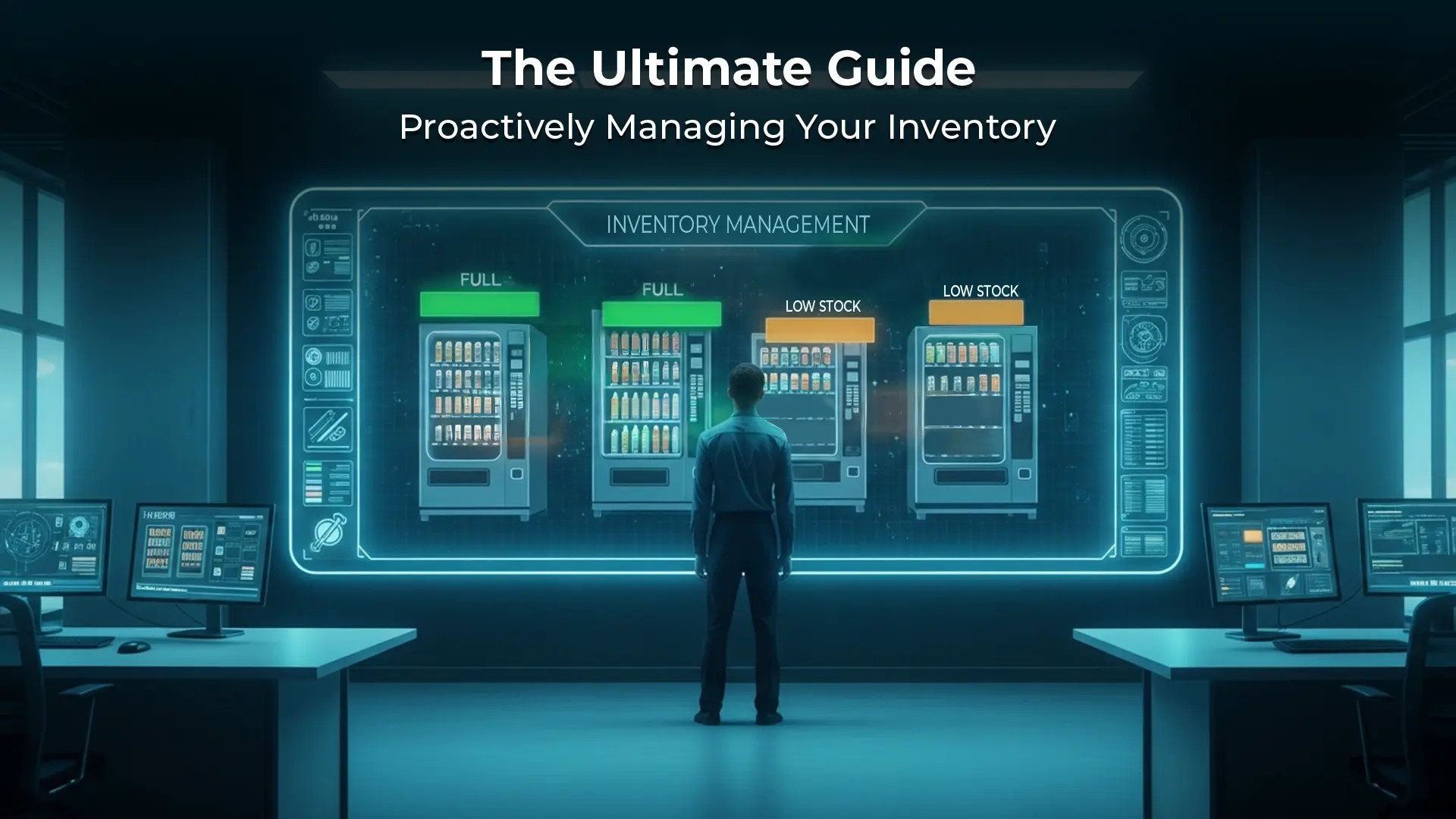
The Ultimate Guide to Proactively Managing Your Inventory with Advanced Technology
 By
By  7 minutes
 Posted on: 30 Mar, 2026
In today’s competitive vending and retail sectors, proactive inventory management is essential. The companies that simply react to inventory problems as they arise will be at a disadvantage compared to their competitors, who have adopted a more proactive approach. Advanced technologies allow businesses to take a preemptive stance, as they help maintain optimal stock levels, reduce waste, and enhance profitability. According to a market report by Global Growth Insights, “more than 53% of vending machine operators plan to upgrade their legacy systems within the next two years to adopt smart inventory management and contactless payment infrastructure” (Intelligent Vending Machines Market Size, Share & Analysis 2035 Report, 2026). Embracing smart technology solutions is essential to staying competitive in an ever-growing market. This blog post delves into five essential technology solutions that can optimize your inventory management process and improve your overall operations.
1. Remote Monitoring: Manage Multiple Locations Effortlessly
Managing inventory across multiple vending machines in different locations is challenging. Visiting each machine frequently can be time-consuming and costly, leading to higher labor and transportation expenses. The need for remote monitoring technology is crucial. Smart inventory management software that allows for remote monitoring can reduce restocking trips by 25% (Mitchell, 2025).
Remote monitoring technology allows operators to track inventory levels and machine performance from a centralized platform. This eliminates the need for frequent on-site visits, enabling operators to restock only when necessary. Additionally, remote monitoring provides insights into machine health, allowing operators to detect malfunctions or theft and resolve issues quickly.
2. Real-Time Inventory Monitoring: Stay Ahead of Demand
To take it a step further, an essential feature of remote inventory monitoring is that it is done in real-time. Real-time inventory monitoring is a game-changer for businesses operating multiple vending machines. With traditional vending machines, operators need to manually check each machine to see which items need restocking. This time-consuming process can often lead to inefficiencies such as stockouts for high-demand products or over-purchasing for low-demand products.
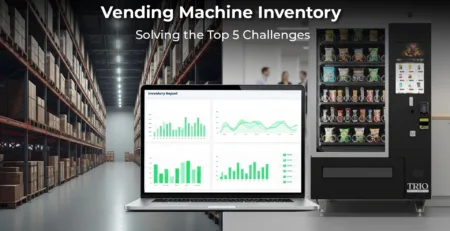
With smart inventory systems, vending businesses can remotely track stock levels across all locations in real-time. This technology provides instant updates on product quantities, enabling operators to make data-driven restocking decisions without ever having to visit a machine. If a machine is running low on popular items, an alert is instantly triggered, allowing the operator to quickly purchase the necessary products and restock the machine in a timely manner. This helps to avoid lost sales while also reducing the risk of overstocking less popular items.
3. Automated Alerts: Essential Updates in the Palm of Your Hand
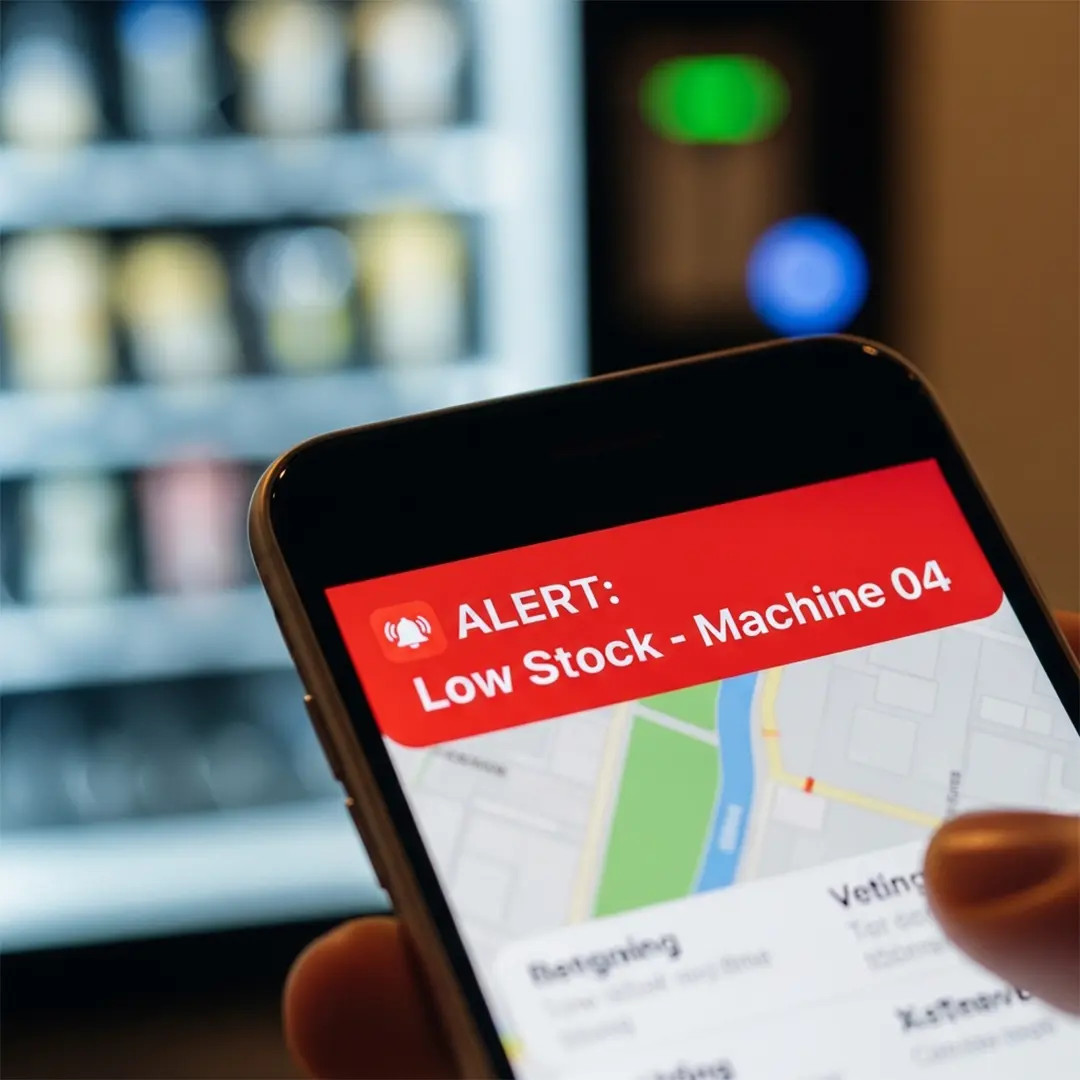
Inventory mismanagement often arises when operators are unaware of stock levels or upcoming expiries. Physical machine checks can be inefficient, stealing valuable time from operators. Vending management software on a laptop or computer that can receive automated alerts is a step in the right direction. However, operators are often on the go and may not always have access to those larger devices. That is why it is essential to have a system that also connects to an app on your mobile device.
Smart inventory applications can send automated alerts to personal devices for low stock levels, product expirations, and machine malfunctions. Operators receive real-time notifications when it is time to restock, when a product is nearing its expiration date, or when a machine needs maintenance. This proactive approach allows operators to monitor inventory on the go and ensures that issues are addressed before they impact sales or product quality.
4. Data Analytics: Optimize Product Selection and Placement
One of the biggest challenges in vending machine operations is understanding customer preferences and then stocking machines accordingly. Stocking too much of a low-demand product results in wasted inventory, while understocking popular items leads to missed sales opportunities.
Data analytics tools integrated into smart inventory systems provide valuable insights into sales trends, customer behavior, and product performance, which is especially helpful when dealing with a large fleet of machines at different locations. These insights allow vending businesses to optimize product selection based on demand at each location. For instance, if a particular item sells out quickly in one machine but lingers in another, operators can easily adjust stock levels and product offerings to match local preferences.
5. Demand Forecasting: Predict Future Sales for Better Planning
Accurately forecasting demand is essential to maintaining optimal stock levels and avoiding both stockouts and overstocking. However, predicting sales can be difficult, especially when dealing with multiple machines, and as demand fluctuates based on location, season, or event-specific factors.
Smart inventory management applications leverage historical sales data to forecast future demand. This predictive capability provides invaluable insight, allowing operators to adjust stock levels according to expected demand patterns, ensuring machines are well-stocked during peak times and reducing excess stock during slower periods.
6. Centralized Control System: Streamline Operations
Managing multiple machines in various locations can lead to logistical challenges, especially if operators are using different systems for each machine. A centralized control system simplifies the management process by providing a single platform to monitor all vending machines, inventory levels, and sales data.
With centralized control, operators can easily view the status of each machine, make inventory adjustments, and optimize routes for restocking. This reduces manual errors, enhances operational efficiency, and allows businesses to scale more effectively. It also simplifies the process of purchasing products in bulk.
7. Reducing Shrinkage and Spoilage: Protect Your Inventory
Shrinkage can be a common problem in vending businesses. Shrinkage may occur due to theft, machine malfunction, mismanagement, or spoilage. Inventory shrinkage averages 2-4% of gross sales for operators (Park, 2025).
Smart inventory management systems help reduce shrinkage by monitoring stock levels in real-time. Any discrepancies between recorded sales and actual stock levels can be identified quickly, allowing operators to take corrective action. For perishable items, the system can track expiration dates and notify operators before products spoil.
5 Benefits of Choosing the Right Vending Management Software:
1. Cost Saving
Choosing the right vending management software can lead to significant cost savings. Efficient inventory management ensures that stock levels are optimized, minimizing the need for frequent servicing visits and lowering overall stocking costs. By reducing wastage and operational expenses, businesses can allocate resources more effectively.
2. Enhanced Customer Satisfaction
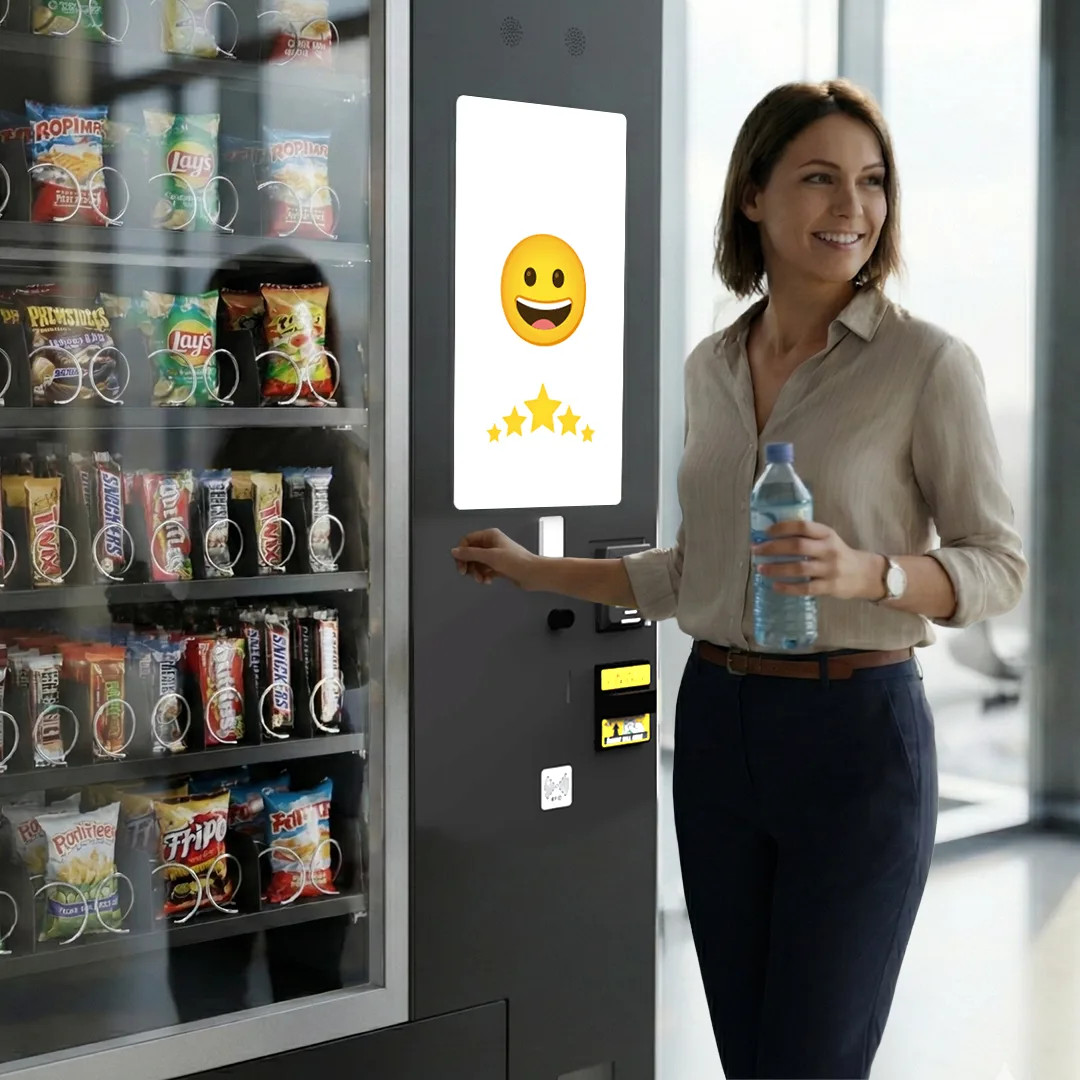
Effective inventory management ensures that popular items are always in stock, leading to higher customer satisfaction. By preventing stockouts and ensuring product availability, businesses can enhance the customer experience and foster loyalty. Satisfied customers are more likely to return and recommend the service to others.
3. Improved Operational Efficiency
Automating inventory tracking and management reduces manual errors and streamlines operations. This increased efficiency allows businesses to focus on other critical aspects of their operations, improving overall productivity and performance. Operators can spend less time on inventory checks and more time on expanding the business.
4. Next-Level Decision-Making
Data-driven insights provided by advanced inventory management software enable better decision-making. Businesses can analyze sales data to optimize product selection and placement, ensuring that high-demand items are always available and underperforming products are replaced. This strategic approach helps businesses stay competitive and meet customer needs effectively.
5. Increased Profitability
Dynamic pricing adjustments and efficient stock management contribute to increased profitability. By leveraging real-time data and remote management capabilities, businesses can maximize revenue opportunities and reduce costs. This leads to higher overall profitability and a stronger bottom line.
Conclusion
In today’s competitive market, proactive inventory management is essential. Advanced technologies, such as real-time inventory monitoring, automated alerts, remote management, data analytics, and centralized control systems, offer powerful tools to streamline operations, reduce costs, and enhance profitability. By addressing common inventory challenges with these solutions, businesses can optimize their stock levels, reduce waste, and provide a seamless experience for their customers. With more than 45% of the vending market having already shifted toward smart technologies (Intelligent Vending Machines Market Size, Share & Analysis 2035 Report, 2026), embracing these innovations is key to staying ahead in the ever-evolving world of vending and retail.
References