Mastering Vending Machine Inventory Management: Solving the Top 5 Challenges
 By
By  6 minutes
 Posted on: 30 Mar, 2026
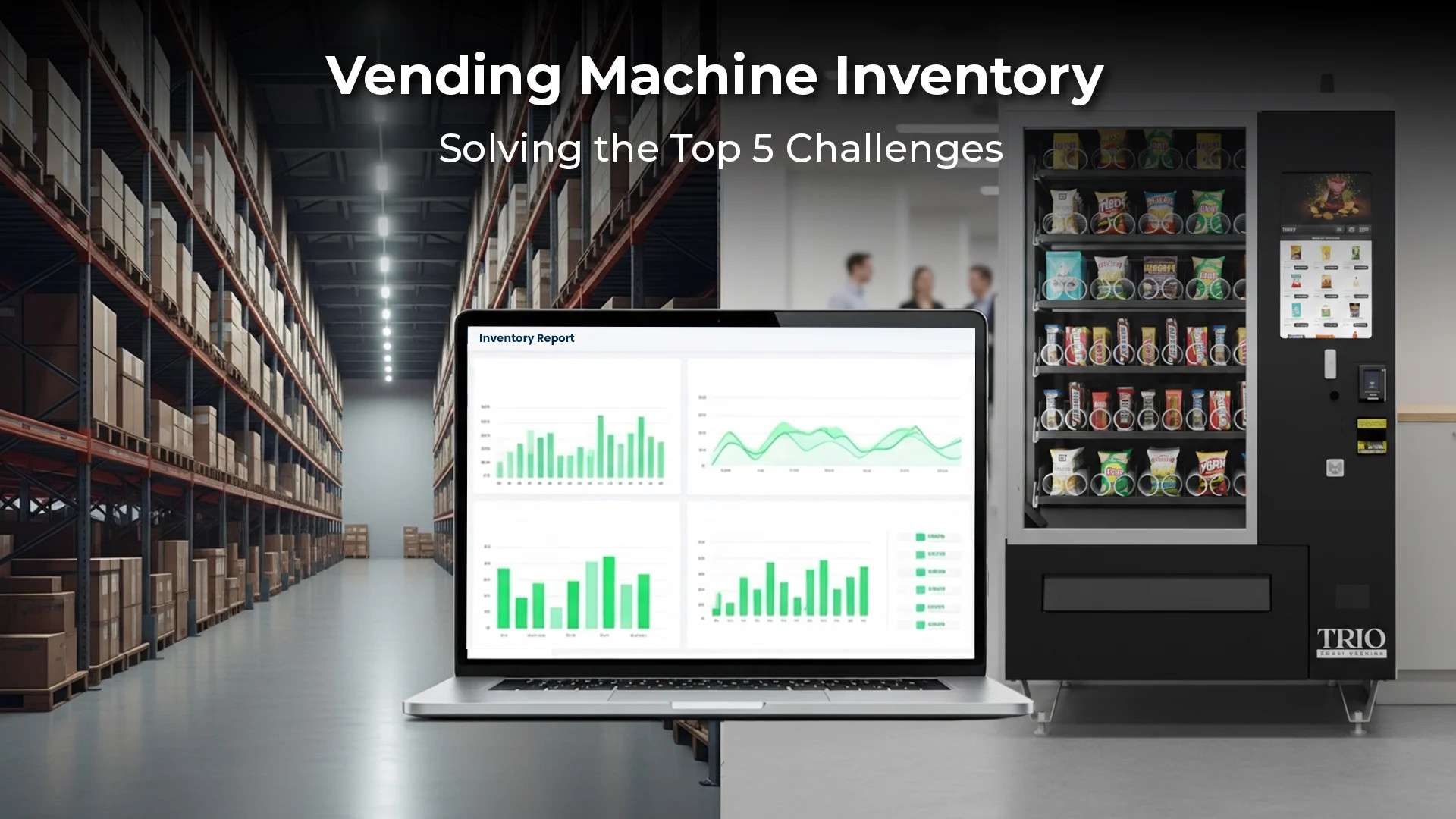
Effective inventory management is vital for the success of vending machine operations. Without it, companies can face numerous obstacles that impact their profitability and customer satisfaction. We will explore the major challenges associated with vending machine inventory management and highlight the importance of using smart inventory management software to address these issues efficiently.
1. Managing Inventory Across Multiple Locations
One of the top challenges for vending businesses is managing inventory across multiple vending machine locations. A full-line vending route driver typically services 15-20 machines per day (Park, 2025). Each machine likely has different needs based on its location and customer base. Keeping track of inventory levels across various machines, without remote access to real-time data, can lead to stockouts in some areas and overstocking in others. This can be both time-consuming and inefficient for operators who have to manually check each machine.
Real-time inventory tracking tools can provide live updates on stock levels across all locations, allowing vending operators to efficiently manage inventory and ensure that machines are stocked according to demand.
2. Restocking Efficiency
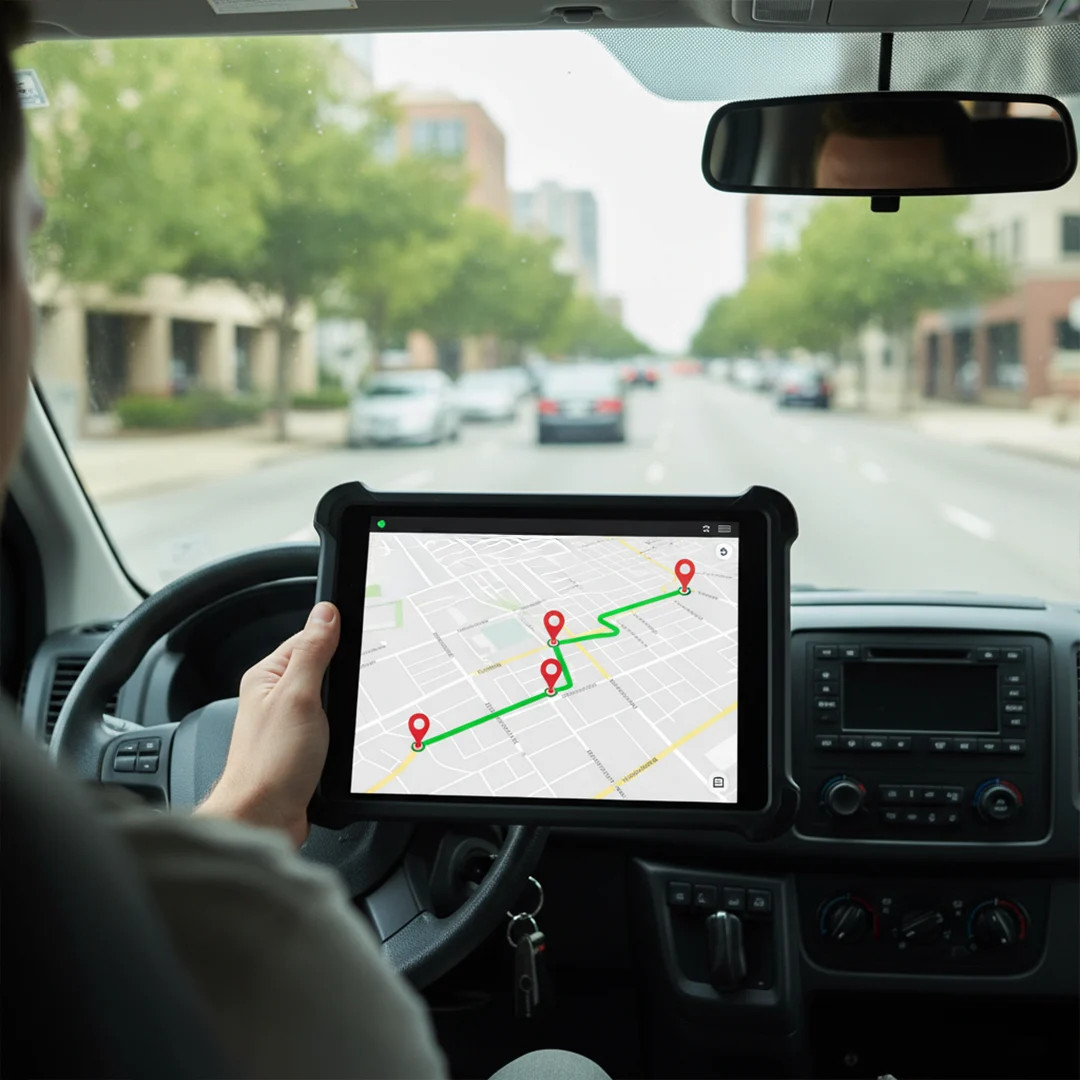
Vending machine operators may also face logistical issues when planning restocking routes and schedules. Inefficient route planning can result in unnecessary fuel and labor costs, as well as stockouts or overstocking of low-demand items. Management tools that help to plan and optimize driving routes, based on remote inventory data and machine location, ensure that the right machines are visited at the right time. Smart inventory management software can reduce restocking trips by 25% (Mitchell, 2025). Optimized driving routes and data-informed restocking schedules reduce unnecessary machine visits, saving time and money.
3. Product Mix Optimization
When dealing with a large vending machine fleet, choosing what products to stock in each machine can be a balancing act. Each location may have different consumer preferences, making it difficult to keep track of and select the right product mix, especially when purchasing items in bulk. Stocking low-demand items can result in idle inventory that ties up capital and reduces sales potential.
Management tools that provide real-time inventory updates and data-driven insights into customer preferences/sales trends can help operators fine-tune the product mix for each location and be confident when procuring large amounts of stock for multiple locations. Furthermore, real-time inventory updates save time by allowing operators to purchase the right products ahead of time, without having to visit the machine first. By analyzing which products sell best at each site, vending businesses can maximize revenue and minimize wasted stock.
4. Dealing with Perishable Goods

For vending machines that stock perishable items, such as snacks, beverages, or fresh food, managing expiration dates and spoilage is a constant challenge. 80% of vending machine users check the expiration date on fresh food items before purchase (Park, 2025). Expired goods not only lead to direct financial losses but can also hurt a company’s reputation if customers encounter spoiled products.
Using technology that provides automated alerts when products near their expiration date can help operators proactively manage spoilage. This allows them to pull products before they expire, ensuring customers only receive fresh items.
5. Inventory Shrinkage
Inventory shrinkage, whether due to theft, machine malfunction, or damage, is another issue for vending businesses. Inventory shrinkage averages 2-4% of gross sales for operators (Park, 2025). Unlike traditional retail environments, vending operators often don’t detect missing or damaged inventory until after they’ve lost many sales opportunities. For example, a single product jam may cause the rest of the items in the row to be inaccessible to the customer. Without a remote monitoring system, the vending operator won’t be aware of this until he or she is scheduled to visit the machine next. Implementing a remote monitoring system that tracks stock levels in real-time and alerts operators of a mechanical failure, lessens the financial damage that often occurs in this type of scenario.
Likewise, if vandalism or theft occurs with a traditional vending machine, the operator will not know until his or her next visit. A remote monitoring system that sends alerts to the operator’s phone is an essential tool to mitigate this threat.
With better visibility into each machine’s inventory and machine performance/well-being, operators can quickly identify when stock goes missing or if a machine has malfunctioned.
What You Need: Smart Inventory Management Software for Vending Operations
Given the numerous challenges associated with vending machine inventory management, it is clear that an innovative solution is needed. This is where smart inventory management software comes into play. By leveraging advanced technology, businesses can streamline their inventory management processes and overcome the common obstacles outlined above.
Smart inventory management software offers several benefits:
Real-Time Data:
Provides accurate, real-time data on inventory levels, sales trends, and product expiration dates.
Automated Alerts:
Sends notifications for low stock levels, approaching expiration dates, and maintenance needs, reducing the risk of stockouts and spoilage.
Remote Monitoring:
Allows operators to monitor and manage inventory as well as machine well-being, from a central location, reducing the need for frequent servicing visits.
Demand Forecasting:
Uses data analytics to predict demand patterns, helping operators maintain optimal stock levels and enhance customer satisfaction.
Cost Saving:
Reduces operational costs by minimizing labor and transportation expenses associated with manual inventory checks.
Route Planning & Pre-Kitting:
Systems that offer dynamic route planning and are integrated with guided map-based navigation allow for optimal driving routes.
Furthermore, systems that offer pre-kitting features and gather inventory data to provide informed picklists ensure that each restocking trip is productive and efficient.
An Indispensable Asset
Effective inventory management is essential for the success of vending machine operations. Overcoming challenges such as overstocking, understocking, product spoilage, inaccurate stock levels, and high operational costs can significantly enhance profitability and customer satisfaction. By adopting smart inventory management software, vending machine operators can streamline their processes, reduce waste, and ensure that their machines are always well-stocked and operational. Embracing technology in inventory management is not just beneficial but necessary for staying competitive in today’s market.
References