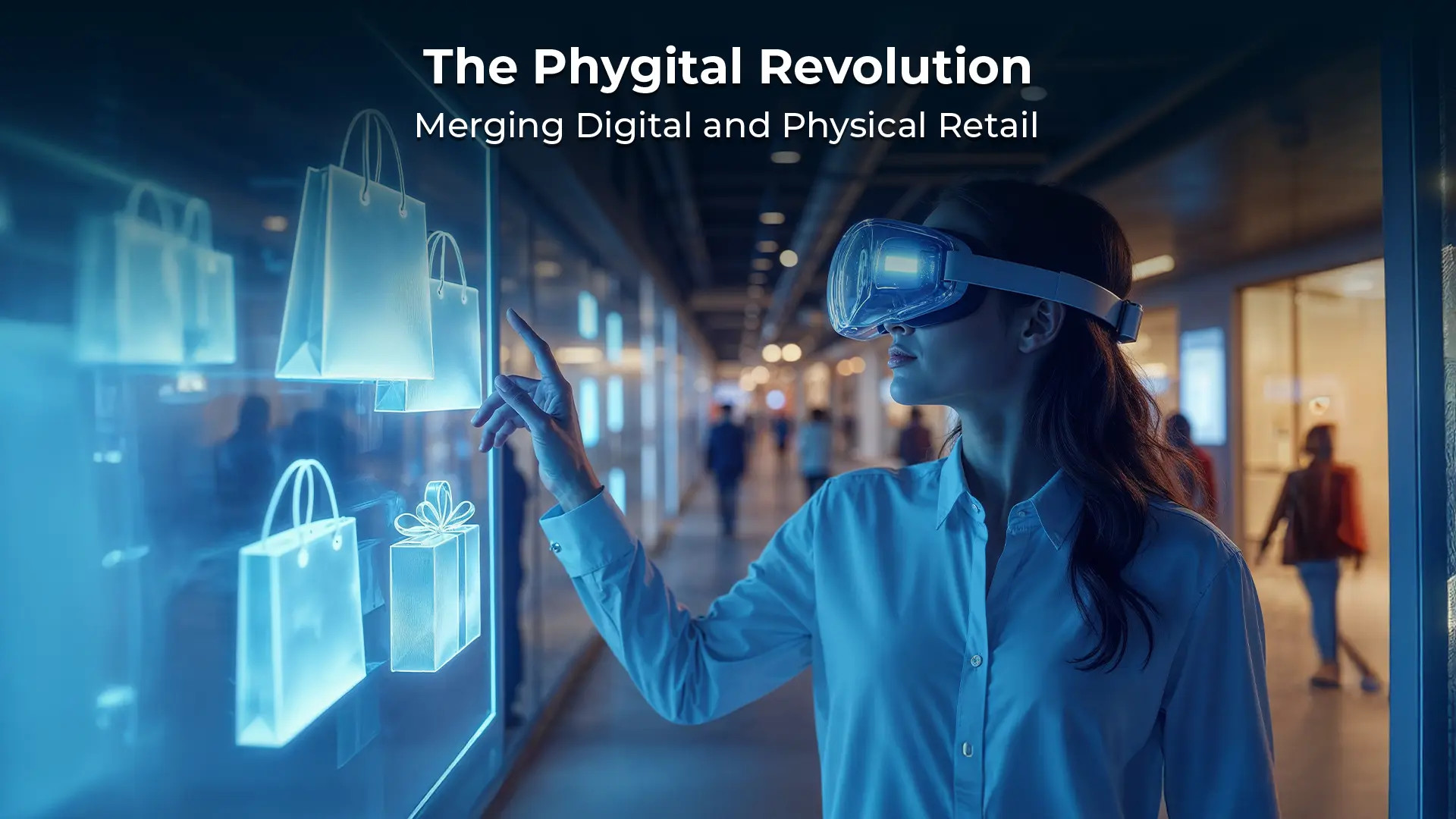
The Phygital Revolution: Digital Meets Physical Retail
 By
By  4 minutes
 Posted on: 30 Mar, 2026
As technology advances at an unprecedented rate, the retail industry is undergoing a significant transformation. The convergence of physical and digital realms, known as “phygital,” is creating new opportunities for retailers to enhance customer engagement, optimize operations, and drive sales. By leveraging smart technologies, retailers can offer a cohesive shopping experience that blends the best of both worlds.
What is “Phygital” and How is it Reshaping the Retail Industry?

Phygital, a blend of physical and digital, represents the seamless integration of digital technologies with timeless physical retail experiences. For brick-and-mortar retailers, this convergence is crucial as it caters to a wider customer base, makes operations more efficient, and increases revenue. The concept of phygital is reshaping the retail landscape, with numerous brands leading the charge.
Brands like Nike and Amazon are at the forefront of this revolution. Nike’s flagship stores incorporate augmented reality (AR) for virtual try-ons, offering a unique shopping experience that blends digital innovation with physical interaction. Similarly, Amazon Go stores use AI and IoT to enable checkout-free shopping, revolutionizing the traditional shopping experience. More commonly, digital self-checkout devices can be found across the entire retail spectrum.
Smart Vending Machines: Bridging the Physical and Digital Gap
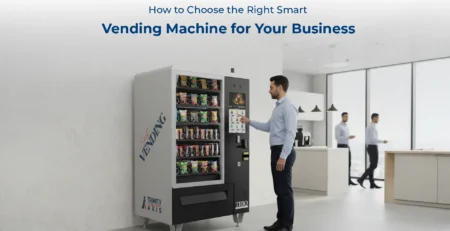
Smart vending machines epitomize the phygital revolution, combining the convenience of traditional vending with advanced digital features. These machines offer touchscreen interfaces, cashless payments, and real-time inventory management, providing a seamless and efficient way for customers to purchase products and for businesses to track sales and restock as needed.
A smart vending machine with a touchscreen allows customers to view detailed product information, select products easily, and purchase multiple products in one transaction. The ability to run still or video advertisements can attract customers and promote special offers. Additionally, these machines can accommodate a wide range of products, from on-the-go snacks and travel essentials to luxury items and electronics, ensuring versatility and convenience in any setting.
Self-Checkout Kiosks: The New Standard in Retail
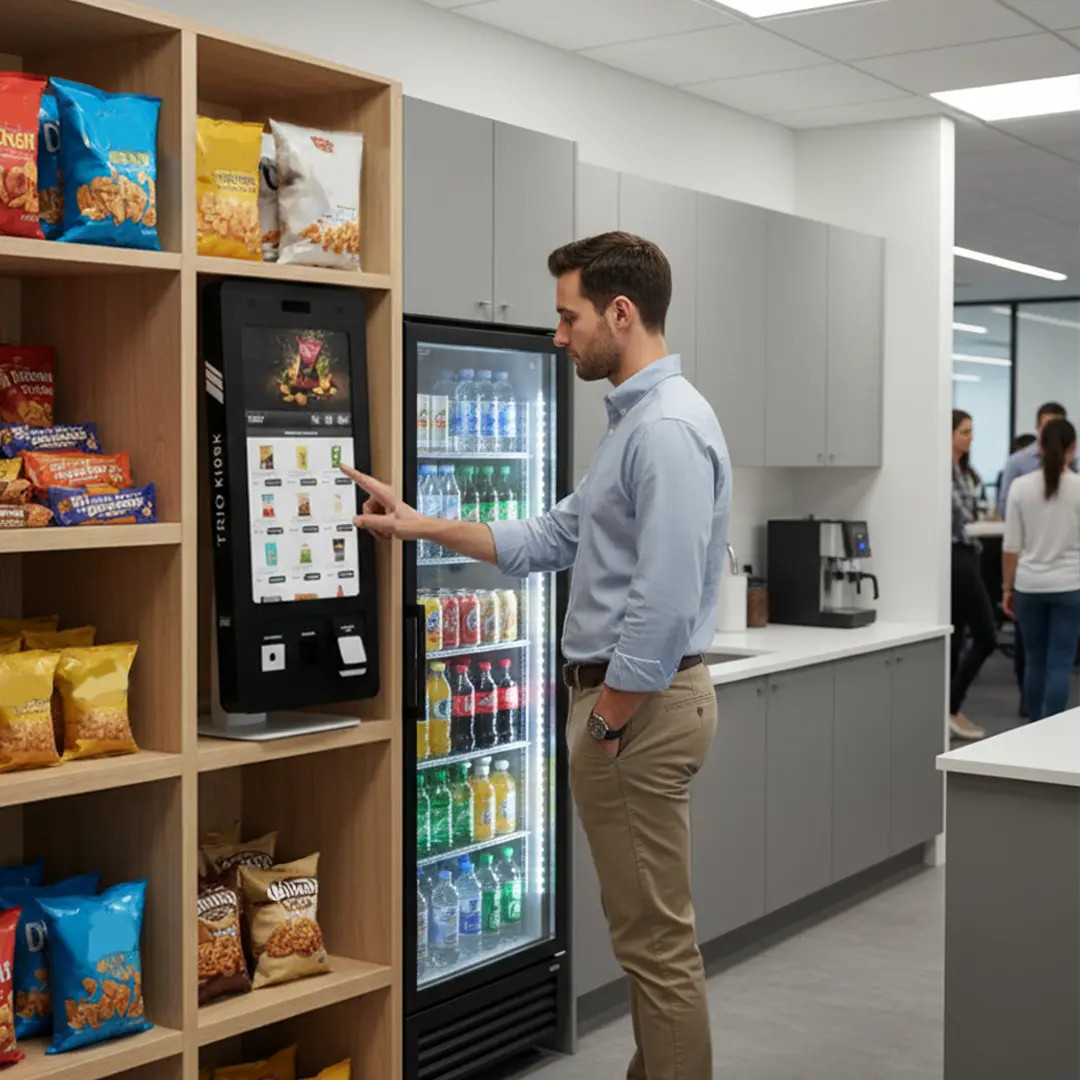
A recent study showed that self-service checkout options are gaining favor across a wide range of demographic groups, revealing that 80% of instore shoppers like the idea of nontraditional checkout options, with faster service being the leading reason (PYMNTS, 2021). Self-checkout kiosks streamline the shopping process, offering customers the ability to browse products, make purchases, and complete transactions with minimal assistance. These tools not only enhance convenience but also reduce the need for physical interactions, aligning with the growing preference for contactless shopping experiences. In micro markets and office breakrooms, self-checkout kiosks provide a quick and efficient way for employees to purchase snacks and beverages, reducing wait times and improving overall convenience. Additionally, by integrating upselling and cross-selling strategies, intuitive recommendations can be made on the kiosk, driving higher sales.
Self-checkout kiosks further enhance the shopping experience by reducing wait times and improving overall efficiency. These innovations ensure that customers can enjoy a modern and efficient shopping experience, whether they are in a large retail store or a small office breakroom.
The Future of Phygital
The future of phygital retail promises even greater advancements, powered by data-driven personalization, IoT integration, and a combination of physical and digital marketing strategies. Retailers will leverage data analytics to provide highly personalized shopping experiences, tailoring recommendations and promotions to individual customer preferences and behaviors.
IoT integration will further enhance the phygital experience, enabling real-time monitoring of inventory, predictive maintenance of equipment, and improved supply chain efficiency. Phygital marketing strategies will increasingly incorporate both digital and physical elements, creating cohesive campaigns that engage customers across multiple touchpoints, from social media to in-store experiences.
In a world where shopping trends are moving more and more towards e-commerce, embracing phygital practices is essential for brick-and-mortar stores to stay competitive in the ever-evolving retail landscape. Based on a Forbes State of Consumer Behavior report, many consumers still want the experience of shopping in a physical store, but with the ease and efficiency that online shopping provides. The report revealed that the second-leading driver of consumer loyalty for brick-and-mortar stores is convenience (Marhamat, 2024). By leveraging smart technologies and embracing the phygital revolution, retailers can combine the best of both worlds for their customers.
References
PYMNTS. (2021, September 23). New Study: Self-Service Checkout Gaining Favor. Www.pymnts.com.